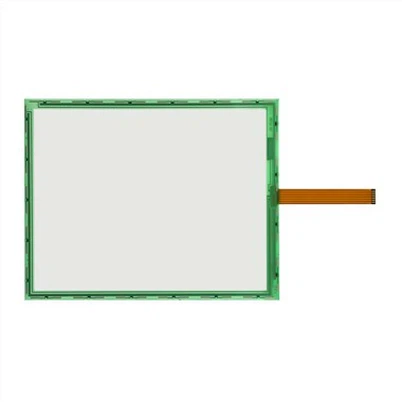
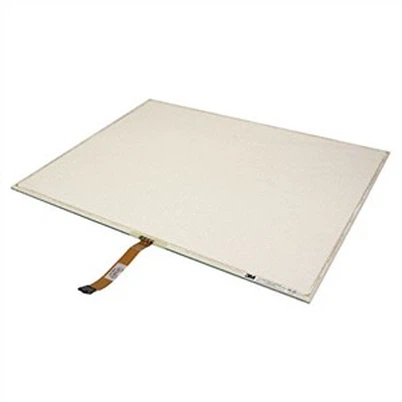
Touch Display: A Core Innovator in Human-Computer Interaction
Ostavite poruku
Touch display, as a core technology integrating display and touch functions, has fundamentally changed the way humans interact with computers, becoming an indispensable component of smart terminals in fields ranging from consumer electronics to industry and automotive. Its core logic involves capturing touch signals through touch sensors, processing them with a chip, and then synchronously feeding them back to the display panel to achieve a "what you see is what you get" operating experience. The global market size has maintained a growth rate of over 10% for five consecutive years.
Mainstream Technology Solutions and Application Scenarios Currently, the mainstream touch display technologies in the industry each have their suitable scenarios, with no absolute superiority or inferiority. Resistive touch, with its low cost, dust and water resistance, and ability to operate on hard objects, is still widely used in industrial control panels, medical equipment, and other scenarios. Its high precision of 4096×4096 pixels meets the requirements for precise input. Capacitive touch is the absolute mainstream in consumer electronics, with fast response speed (up to 120Hz sampling rate), support for multi-touch, and is used in mobile phones, tablets, and laptops. Apple's 3D Touch technology in the iPhone further enhances this experience.
Emerging infrared touch technology is suitable for large-size applications, such as all-in-one conference machines and whiteboards, supporting simultaneous operation by multiple users and offering strong anti-interference capabilities. Ultrasonic touch, with its penetrating power, is applied in specialized scenarios like wearable devices and underwater operating terminals. This differentiated development of various technologies allows touch displays to cover a full range of sizes, from 2-inch wearable screens to 100-inch commercial displays.
Material upgrades are a core breakthrough for touch displays. Traditional indium tin oxide (ITO) conductive films, due to their brittleness and high cost, are gradually being replaced by new materials such as graphene and silver nanowires. Graphene conductive films boast a light transmittance of over 92% and a flexible bending radius of less than 1mm, and are already used in foldable screen phones. Silver nanowires, balancing flexibility and cost, have become the preferred choice for mid-range devices.
Functional integration is another major trend. Touch displays have evolved from simple touch functionality to integrate fingerprint recognition, pressure sensing, anti-glare, and blue light filtering functions. For example, automotive touchscreens simultaneously feature high-temperature anti-interference, anti-accidental touch, and voice-activated functionality. Meanwhile, with the widespread adoption of 5G and AI technologies, touch displays are evolving into "intelligent interactive terminals," enabling personalized operation recommendations, fault prediction, and other intelligent functions through touch data-driven algorithms.
From everyday devices like mobile phones and home appliances to industrial control, medical equipment, and smart cars, touch displays have permeated all aspects of life and production. In the future, with the maturation of flexible and transparent display technologies, their application scenarios will further expand, continuously driving human-computer interaction towards a more natural and efficient direction.